Last updated:

FUE Hair Transplant in Turkey from £1,850

FUE Hair Transplantation: The Modern Solution for Hair Loss

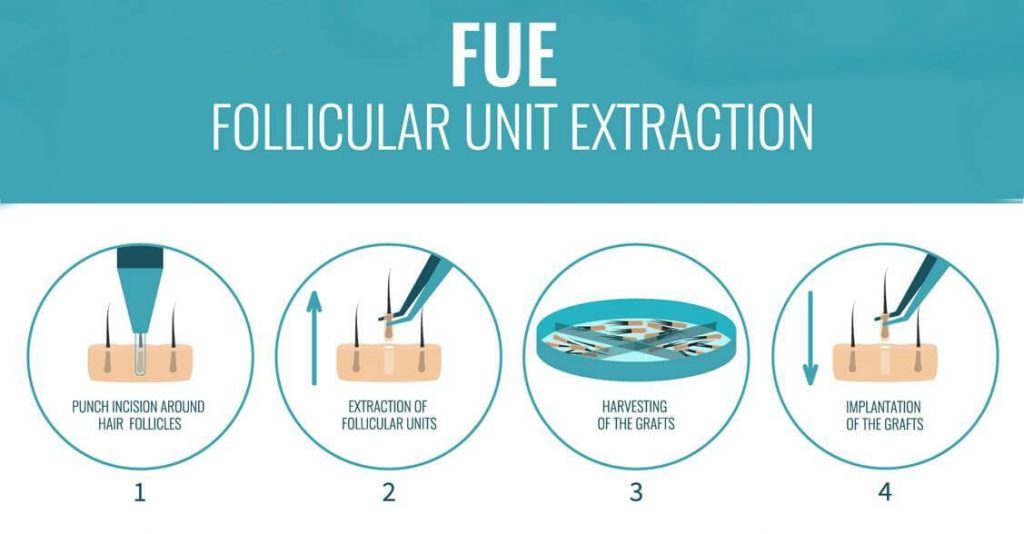
Hair transplantation has become an increasingly popular solution for both men and women experiencing hair loss, thinning hair, receding hairlines, or bald patches. Thanks to advancements in medical technology, the revolutionary FUE (Follicular Unit Extraction) method now offers a highly effective and minimally invasive solution.

The FUE technique has largely replaced the older FUT (Follicular Unit Transplantation) method due to its many advantages. Unlike the traditional FUT procedure, FUE does not involve removing an entire strip of scalp, which makes it significantly less invasive and minimizes discomfort during and after the treatment.

Key Advantages of the FUE Method:
  • Minimally Invasive Procedure: Individual hair follicles are carefully extracted and transplanted without large incisions or scarring.
  • Virtually Painless: With the use of local anesthesia, patients experience minimal discomfort during the procedure.
  • Faster Recovery: Healing time is significantly reduced, and patients can return to their daily routines within a short period.
  • Natural-Looking Results: Hair follicles are implanted following the natural growth pattern for seamless and aesthetically pleasing results.
  • Versatile Application: FUE can be used not only for the scalp but also for beard, eyebrow, and other hair restoration treatments.

At Mapa Health, our state-of-the-art clinic and expert medical team utilize the latest technology to deliver exceptional FUE hair transplantation services. Our goal is to provide you with natural, permanent results in a comfortable and supportive environment.

Take the first step toward restoring your confidence and achieving the hair you’ve always wanted. Contact us today for your free consultation and personalized treatment plan.

The healing process is significantly shortened thanks to the accelerated growth facilitated by the FUE method. Since implementing this advanced technique, we have received overwhelmingly positive feedback from our patients. Their satisfaction with the natural and seamless results of their own hair restoration has been exceptional, reinforcing our commitment to delivering excellence in hair transplantation.

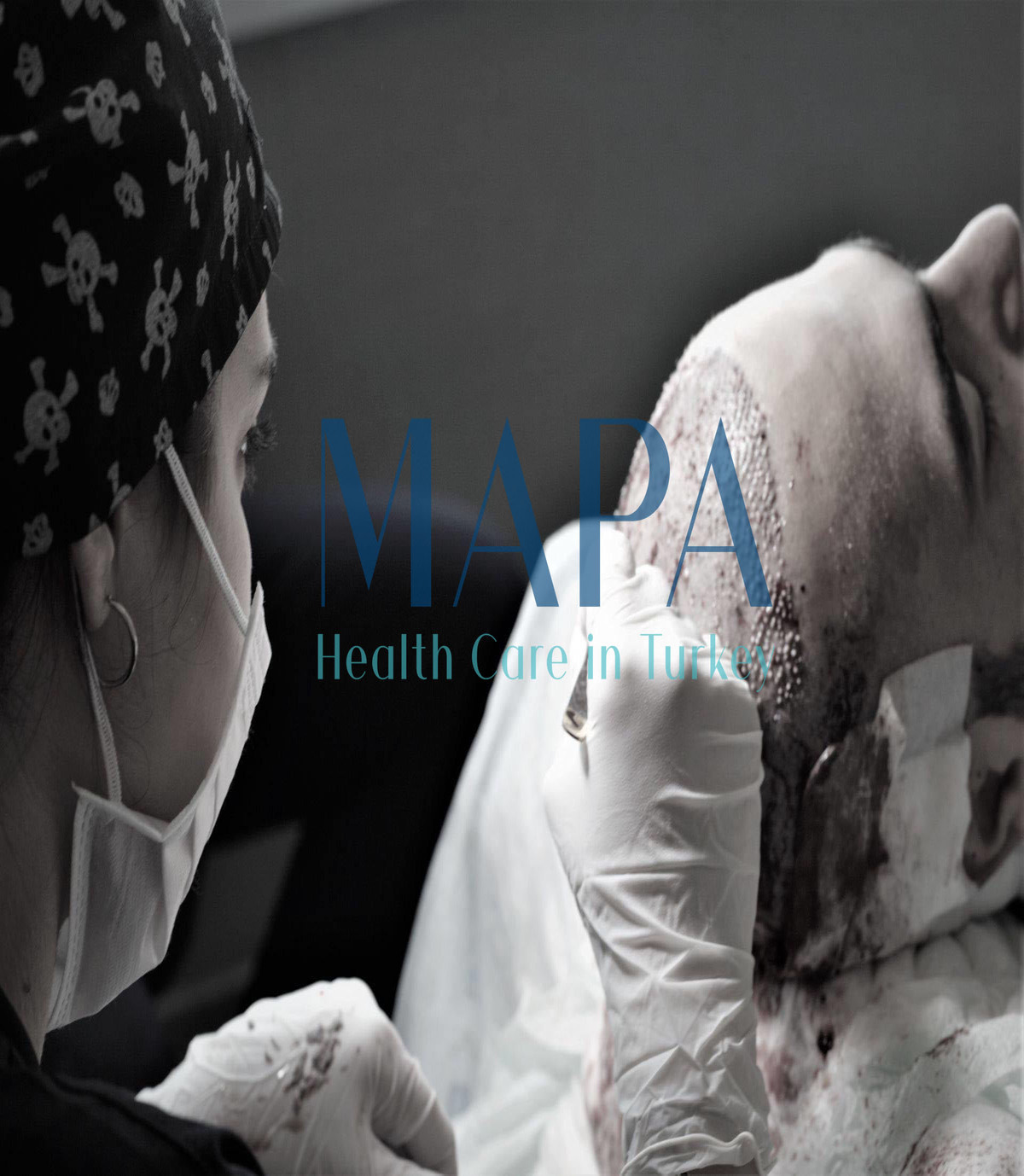
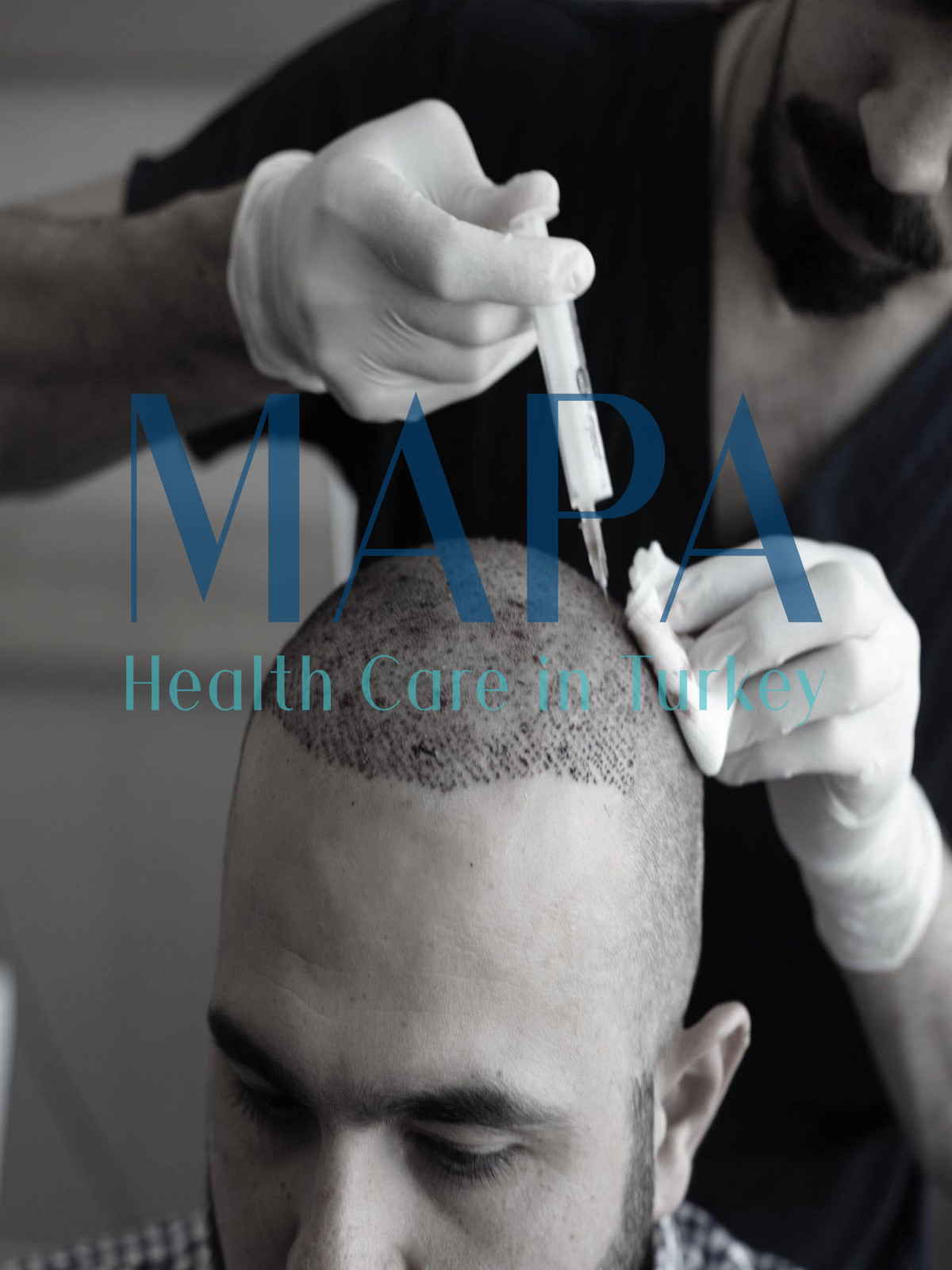
FUE hair transplant procedure at Mapa Health clinic Istanbul

Gentle on the Scalp with Outstanding Results
Our hair implantation, performed using the advanced FUE (Follicular Unit Extraction) technique, ensures minimal discomfort and exceptional results. In this procedure, individual hair follicles are carefully extracted from the donor area and strategically implanted into the recipient area. This method allows us to fill bald spots not only on the scalp but also in areas such as the eyebrows, beard, and chest.

While the FUE technique is widely used in modern clinics, it stands out as the most gentle and effective solution for hair restoration. One of its key advantages is that it leaves no visible scarring, which is why we have chosen to specialize in this method at our clinic.

What truly distinguishes our treatment is our unique graft positioning process, developed to optimize the results. By carefully managing each step of the procedure and maintaining optimal conditions for the hair grafts, we can significantly enhance the growth rate and ensure a higher success rate.

At Mapa Health, our priority is to deliver the best possible outcome for our patients - natural, long-lasting, and aesthetically pleasing results that restore both hair and confidence.

Istanbul Surgery Hospital

Istanbul Surgery Hospital: Excellence in Healthcare Since 1998

Established in 1998 with the principle of "Valuing Human Health," Istanbul Surgery Hospital has been a pioneer in the healthcare sector. With its multidisciplinary medical team of leaders in their fields, patient-centered expert staff, advanced technological infrastructure, broad vision, and personalized healthcare approach, the hospital continues to set the standard in providing top-quality healthcare services. It proudly delivers all its services within a sustainable quality system, ensuring the utmost care for its patients.


Located in the very heart of the city, Istanbul Surgery Hospital closely monitors the progress of all its patients on an individual basis, offering a boutique approach to healthcare. By staying at the forefront of scientific research and innovation, the hospital integrates cutting-edge advancements to ensure the continuity of a high-quality life for its patients.


In addition to its nationwide success, the hospital continues to raise the bar in healthcare quality and aspires to lead on the international stage with its superior services.


Personalized Medical Services

Istanbul Surgery Hospital excels in providing personalized medical services, especially in general metabolic surgery, all areas of general surgery, eye health and diseases, orthopedics and traumatology, otolaryngology, and comprehensive check-up programs, achieving outstanding patient satisfaction in every field.


24/7 VIP Services

With its visionary approach, Istanbul Surgery Hospital offers 24/7 VIP services to all its patients. For international patients, the hospital provides language support through "specialized medical patient consultants," ensuring seamless communication and high-quality care.


Expertise in Hair Transplantation

Istanbul Surgery Hospital is also highly regarded for its exceptional expertise in hair transplantation. With a professional team and state-of-the-art techniques, the hospital provides outstanding results, ensuring patient satisfaction and natural-looking outcomes. Its personalized approach and meticulous attention to detail have earned it a reputation as one of the leading centers for hair restoration procedures, making it a trusted choice for patients worldwide.

Hotel accommodation in Istanbul

Dedeman Hotels & Resorts International

Dedeman Hotels & Resorts International consistently delivers exceptional service every day, aiming to delight every guest with its renowned hospitality.

With over 45 years of experience in Turkey and beyond, Dedeman Hotels & Resorts International offers its business partners a promising future through a professional approach to hotel management and a strong, well-established brand.

Dedeman is dedicated to enhancing, expanding, and successfully "hosting" the world as Turkey's largest international hotel chain.

This modern hotel, located in a sleek tower, is 4 km from the Dolmabahçe Palace and 9 km from the iconic Hagia Sophia.

The warmly designed rooms feature WiFi, flat-screen TVs, and minibars. Premium rooms include tea and coffee makers, while suites offer sitting areas or separate living rooms, with many featuring jacuzzi tubs. Luxury suites include saunas and dining areas. Some rooms provide access to exclusive lounges with complimentary drinks, snacks, and evening hors d'oeuvres. Room service is available 24/7.

Breakfast and parking are complimentary. The hotel boasts a luxurious restaurant and a chic rooftop bar. Additional amenities include an indoor swimming pool, a fitness center, a juice bar, and a spa.

The cost of a hair transplant in Turkey ranges between £1,720 and £6,880 depending on factors such as the clinic's quality, the expertise of the medical team, and the technology used. While lower prices may seem appealing, it is crucial not to compromise your health. At Mapa Health, we prioritize your safety and deliver exceptional results without cutting corners.

Mapa Health partner hotel in Istanbul
VIP hotel room for medical tourists in Istanbul

Consult a Doctor

Have questions? Our experts are here to help. Contact us now!
What your journey feels like

Day by day with hair transplantation in Istanbul

Hair transplantation is a single-trip treatment over 3 to 4 days. Here is the typical schedule - whether FUE, DHI, FUT, Sapphire-FUE or beard transplant, the daily flow is very similar. Number of grafts and chosen technique determine the surgery duration.

DAY 1

Arrival & pre-op assessment

  • 08:30
    Landing in Istanbul

    Mapa driver in arrivals with a "Mapa Health" sign.

  • 11:00
    Hotel check-in

    5-star partner hotel near the clinic.

  • 14:00
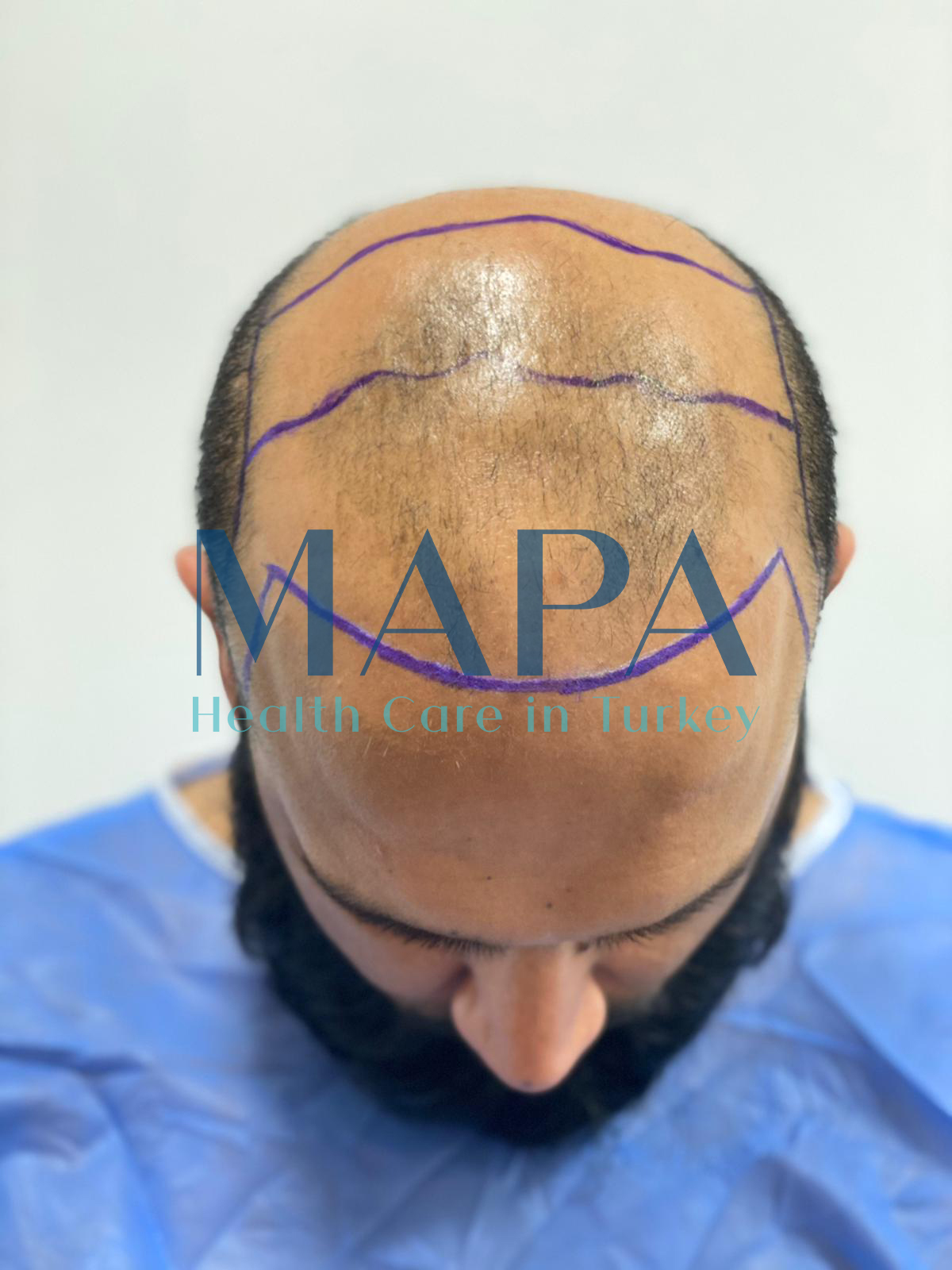
    Clinic: pre-op assessment & hairline design

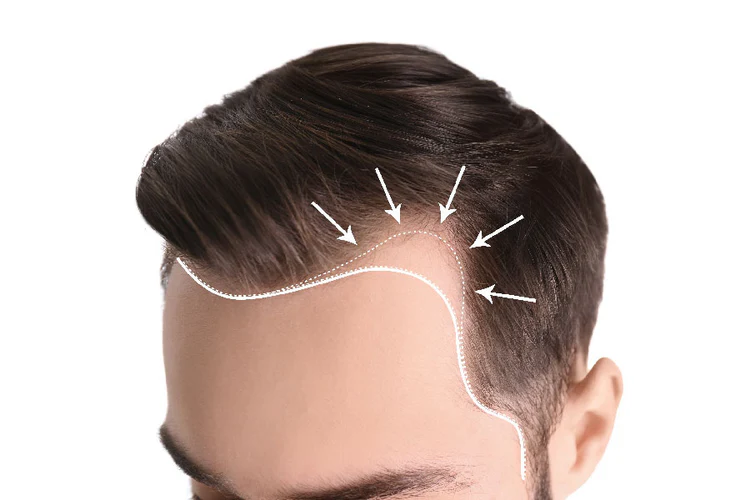
    Blood tests, scalp analysis, donor area assessment. Joint definition of the new hairline and number of grafts. You see the planned hairline drawn on before anything is done to your hair.

  • 17:00
    Quiet evening

    No alcohol, no smoking from today. Light dinner recommended because surgery day will be long.

DAY 2

Surgery day

  • 08:30
    Clinic: preparation

    Donor area is shaved (usually not for beard or eyebrows). Local anaesthesia - the only uncomfortable part, lasts a few minutes.

  • 09:30
    Graft extraction

    About 1 to 1.5 hours per 1000 grafts for extraction. You lie back, listen to music or watch films. Breaks for water and the bathroom are possible.

  • 12:30
    Lunch break

    Light lunch, no coffee or black tea (blood pressure), no pain expected.

  • 13:30
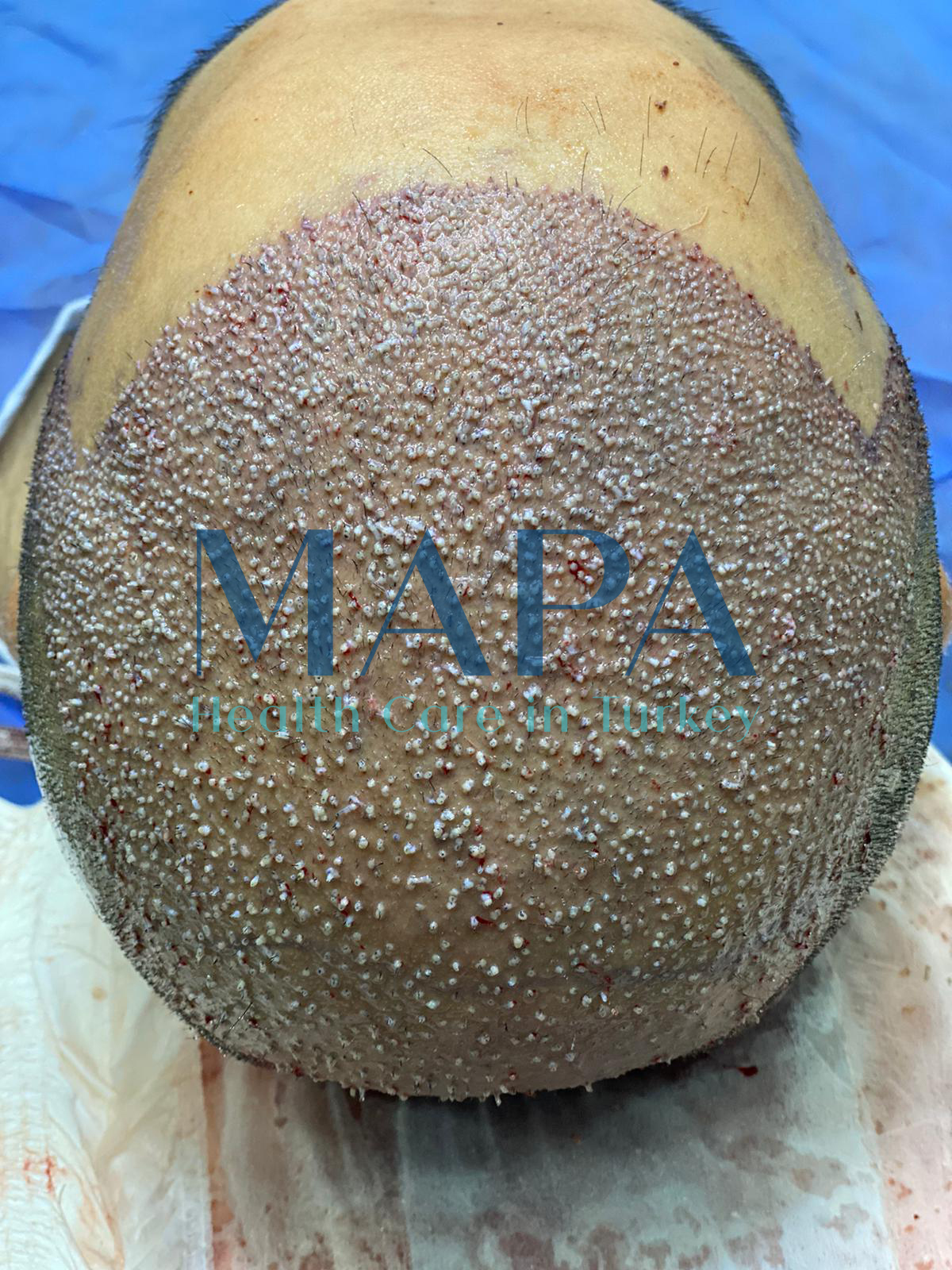
    Implantation

    Grafts are placed into the recipient area. About 1.5 to 2 hours per 1000 grafts. You stay awake and can relax.

  • 17:00
    End of surgery, dressing, hotel

    Protective dressing, written care instructions, drops and painkillers. You return to the hotel.

DAY 3

First wash & follow-up

  • 10:00
    First professional wash

    In the clinic with special foam and lotion. You are shown the technique - important for the next 10 to 14 days at home. Dressing is removed.

  • 12:00
    Follow-up appointment

    Donor and recipient area check. Forehead swelling is possible and resolves. Written care plan, medication list, travel clearance.

  • 14:00
    Optional: city exploration

    With a cap or loose hat, no direct sunlight. Many patients take a quiet Bosphorus walk or visit a hammam (without a head wash).

DAY 4

Trip home

  • 09:00
    Hotel check-out

    With care kit (special shampoo, lotion, painkillers), patient cap and written plan.

  • 11:00
    Airport transfer

    Mapa driver picks you up. Wear a loose cap - no tight fit and no pressure on the recipient area.

  • 13:00+
    Flight home

    Daily wash and care at home for 10 to 14 days. First follow-up by WhatsApp photo after 7 days, clinical follow-up after 3 and 12 months.

What if...?

"Will the local anaesthesia really hurt?"

The first injections are uncomfortable - comparable to a dentist's injection, but at multiple sites. After 3 to 5 minutes the scalp is numb and you feel nothing during surgery. Some clinics offer lower-pain techniques (pressure injector, light sedation) - ask before the trip.

"What if I cannot sit still for 8 hours?"

Breaks are scheduled - you can drink, use the bathroom, briefly stand up. Some clinics allow films or audiobooks during surgery. If you have ADHD or back issues, mention this before surgery - the chair can be adjusted.

"Travelling alone - can I manage after surgery?"

Yes, common. Mapa staff organise arrival and return. The surgery is tiring but not incapacitating - many patients eat out normally the next day.

"Can I wear the cap on the plane?"

Yes, a loose cap without firm pressure is recommended, especially for the trip home. Some patients bring a loose bucket hat - it protects against accidentally touching the recipient sites.

What you actually experience

Small observations after a hair transplant

No marketing phrases. Short, honest observations - what typically feels like during the first hours, days, weeks and months. Individual experiences may vary depending on technique and number of grafts.

0-6 h

The scalp feels tight and slightly throbbing - the local anaesthesia gradually wears off.

0-6 h

The recipient area is reddened and covered with small crusts - this is expected and passes.

0-6 h

The donor area may bleed or weep slightly in the first hours - the dressing absorbs this.

0-6 h

Pain medication is taken before the anaesthesia wears off, not only when pain appears.

6-48 h

Sleeping with the head elevated (with 2 pillows or a travel pillow) noticeably reduces swelling.

6-48 h

Forehead swelling on the next day is common - it migrates towards the eye area after 2 to 3 days.

6-48 h

The first professional wash reveals the result: fine hairs are visible, the recipient area reddish.

6-48 h

Touching or scratching the recipient sites must be strictly avoided - not even with cap pressure.

1-10 days

Daily washing with a special foam loosens the crusts in 7 to 10 days.

1-10 days

The donor area is typically healed and inconspicuous after 5 to 7 days.

1-10 days

Sport and heavy lifting are paused for at least 1 week; swimming, sauna, sun for 4 weeks.

1-10 days

Direct sun exposure on the scalp is avoided for 4 weeks - cap or hat for outdoor activities.

1-12 months

"Shock loss" from week 2 to 8 - the transplanted hairs fall out, this is normal and expected.

1-12 months

From month 3, the new hairs begin to grow from the transplanted roots.

1-12 months

A presentable result typically appears between months 6 and 9.

1-12 months

The final result is reached at 12 to 18 months - patience is part of the procedure.

Observations from medical sources and physician-led aftercare - no patient quotes, no success guarantees.
ℹ Educational information - These honest answers offer general medical orientation reviewed by the Mapa Health Clinical Review Team. They do not replace personal consultation with a qualified physician.
Honestly answered

What patients often hesitate to ask

These questions rarely come up in consultations but show up far more often during late-night research.

My GP at home says I should first try finasteride and minoxidil - who is right?

This recommendation is evidence-based. Finasteride and minoxidil can slow or stop progression in early-onset hair loss (Norwood 2-4) - but they only work on still-living hair follicles. In bald areas where the follicles have already died, they do not help. FUE transplantation is the solution when medications cannot stop progression or gaps are already present. Those who have not yet tried finasteride for 1 year should honestly consider it - the combination of medications + later transplantation is often the best strategy. Before booking, ask for the written plan, inclusions and exclusions, expected recovery time, possible alternatives, follow-up route and warning signs that require local care. If the question is about price, timing or results, treat the page information as guidance until the medical assessment and written quote are completed.

What if the grafts do not take and I become partially bald again?

With FUE, the success rate (graft take rate) at good clinics is between 85 and 95 percent - meaning of 4,000 transplanted grafts, typically 3,400 to 3,800 successfully grow. Factors that lower the rate: too long out-of-body time of the grafts, too-fast implantation, poor donor area quality, smoking, poor aftercare. A reputable clinic provides a written guarantee for re-transplantation in case of significantly below-average take (e.g. below 70 percent). Request this guarantee policy before travel. Before booking, ask for the written plan, inclusions and exclusions, expected recovery time, possible alternatives, follow-up route and warning signs that require local care. If the question is about price, timing or results, treat the page information as guidance until the medical assessment and written quote are completed.

Will the transplanted hairs still be there in 10 years?

Yes, that is a key principle of FUE. The transplanted hairs come from the donor area on the back of the head, where the follicles are genetically not sensitive to androgenic hair loss. They retain this property in the new area - the transplanted hairs grow for a lifetime. The non-transplanted surrounding native hair can however continue to fall out, which can later create "islands" of transplanted hair. That is why finasteride to stabilise native hair is often sensible. Before booking, ask for the written plan, inclusions and exclusions, expected recovery time, possible alternatives, follow-up route and warning signs that require local care. If the question is about price, timing or results, treat the page information as guidance until the medical assessment and written quote are completed.

Will people see that the hairline is "artificial"?

With good clinic work, no. A natural hairline has: slightly irregular contour (not a perfectly straight line), finer single hairs at the edge, denser multi-follicular grafts behind, correct growth direction. A poorly made line looks "drawn on" - too straight, too dense, wrong growth direction. The digital mock-up before surgery shows the planned line. Insist on assessment in daylight - bad counselling starts with "trust me". Before booking, ask for the written plan, inclusions and exclusions, expected recovery time, possible alternatives, follow-up route and warning signs that require local care. If the question is about price, timing or results, treat the page information as guidance until the medical assessment and written quote are completed.

What about ghost surgery? Who actually performs the implantation?

Ghost surgery - surgery performed by non-licensed staff - has been a recurring topic in Turkish hair transplantation headlines. The doctor typically performs the hairline design and the first implantations; the team of nurses and technicians under supervision performs most of the routine implantation. What you can do specifically: before travel, ask for the name and Turkish Medical Chamber (Tabipler Birliği) license number of your doctor; meet the doctor in person before surgery; the operative report must name the responsible doctor. If a facilitator dodges, that is a warning sign.

Why is FUE in Turkey so much cheaper? £1,290 vs £6,880 at home - are they cutting corners on safety?

The price difference is structural. Personnel and clinic overhead in Istanbul are below Western European levels, while the instruments (punches, implanters) and technique are the same worldwide. What you should look at: experience of the doctor (at least 1,000 procedures), number of patients treated in parallel on the same day (should not be more than 2 to 3 - otherwise per-patient attention is too low), is there a written guarantee for re-transplantation. If a flat-rate package below £1,030 including hotel is offered, scrutinise carefully - that is usually well below the Turkish market level.

What if surgery does not work out? Will my home physician help me at all?

Cross-border medical responsibility is a real question. Most home-country dermatologists will see you and treat acute issues (infection, allergy to drops) - but as a private service. A correction of a failed FUE at home is possible but expensive (often more than the original treatment). Speak with your dermatologist before travel. Have the Turkish clinic provide a complete operative report (number of grafts harvested and transplanted, case examples photos, doctor's name) in writing. Before booking, ask for the written plan, inclusions and exclusions, expected recovery time, possible alternatives, follow-up route and warning signs that require local care. If the question is about price, timing or results, treat the page information as guidance until the medical assessment and written quote are completed.

How many grafts do I really need? Some facilitators promise 5,000+ grafts - is that honest?

Excessive graft numbers are often sales tactics. Realistic values: Norwood 3 (receding temples) 1,500-2,500 grafts, Norwood 4 (with beginning crown) 2,500-3,500, Norwood 5-6 (advanced) 3,500-5,000, Norwood 7 (very advanced) 5,000-6,500 grafts. A single donor area on the back of the head delivers a maximum of 6,000 to 8,000 grafts in total - do not exhaust this reserve in a single procedure if a touch-up may be needed later. A clinic that promises "6,000 grafts in one session" without examination is giving unrealistic information.

Will I look as planned right after surgery, or do I have to wait months?

Right after surgery you see fine hairs that look like stubble. These fall out in the first 2 to 8 weeks ("shock loss") - that is normal and expected, not failure. From month 3 the new hairs begin to grow from the transplanted follicles. The presentable result appears between months 6 and 9. The final result is reached after 12 to 18 months. Those who expect quick results will be disappointed - patience is part of the procedure. Before booking, ask for the written plan, inclusions and exclusions, expected recovery time, possible alternatives, follow-up route and warning signs that require local care. If the question is about price, timing or results, treat the page information as guidance until the medical assessment and written quote are completed.

What if I am unhappy after surgery? Is there a guarantee?

A satisfaction guarantee on appearance or density is not given honestly by anyone - the result depends on donor area quality, lifestyle and individual healing. What you should request in writing: guarantee for re-transplantation in case of below-average take (e.g. below 70-80 percent), conditions for a second procedure, what happens with complications. "written aftercare terms" as a marketing slogan is rarely legally enforceable. Before booking, ask for the written plan, inclusions and exclusions, expected recovery time, possible alternatives, follow-up route and warning signs that require local care. If the question is about price, timing or results, treat the page information as guidance until the medical assessment and written quote are completed.

These answers are for orientation and do not replace medical advice. Reviewed by the Mapa Health Clinical Review Team - as of .
Medically reviewed by Mapa Health Clinical Team
Last reviewed:
Hair medicine ISHRS guidelines Turkish Ministry of Health
Content is reviewed against medical sources, partner-facility information and current treatment protocols. Individual suitability, risks and outcomes can vary.
Sources consulted: ISHRS · Mayo Clinic · MedlinePlus · AAD

Risks & Safety Information

FUE (Follicular Unit Extraction) is the gold standard in hair transplantation, with excellent safety when performed by experienced surgical teams. Over 500,000 FUE procedures are performed annually worldwide.

  • Post-operative swelling of the forehead and around the eyes (days 3-5, resolves naturally)
  • Temporary numbness or tingling in the donor and recipient areas (weeks to months)
  • Shock loss - temporary shedding of transplanted and some existing hairs (weeks 2-6)
  • Minor scarring in the donor area (tiny dot scars, virtually invisible at normal hair length)
  • Folliculitis (inflammation of hair follicles) in the recipient area during healing
  • Risk of graft failure if post-operative care instructions are not followed
  • Rare: infection at donor or recipient sites (less than 1% with proper care)
✓ Safety Assurance:

FUE procedures at our partner clinics use motorized or manual micro-punch extraction (0.6-0.9 mm) to minimize donor scarring. Implantation is performed using Choi pen or lateral slit techniques under sterile conditions. Platelet-rich plasma (PRP) therapy may be included to enhance graft survival and healing.

Recovery Timeline

Days 1-3

Redness and mild swelling in transplant areas. Sleep with head elevated at 45 degrees. Avoid touching grafts. Saline spray applied regularly to keep grafts moist.

Days 4-7

Gentle first hair wash (technique demonstrated at clinic). Scabbing begins to form around grafts. Swelling subsides. Light daily activities can resume.

Days 7-14

Scabs shed naturally during washing. Donor area heals. Return to office work. Avoid heavy exercise, swimming, and direct sun exposure.

Weeks 2-6

Shock loss phase - transplanted hairs shed (this is completely normal and expected). Hair follicles enter resting phase beneath the skin.

Months 3-6

New hair growth begins, initially thin and wispy. Gradual thickening and density increase. Approximately 30-50% of final result visible.

Months 6-12

Significant growth and thickening. 70-80% of final result visible by month 8-9. Full density and texture achieved by month 12-15.

Who Is a Good Candidate?

Good Candidates

  • Men and women with androgenetic alopecia (pattern baldness) - Norwood scale 2-6
  • Patients aged 25+ with stabilized hair loss pattern
  • Sufficient donor hair density in the back and sides of the scalp
  • Those with realistic expectations about achievable density and coverage
  • Non-smokers or those willing to abstain for 2 weeks case examples surgery

Not Recommended For

  • Active, rapidly progressing hair loss without medical stabilization
  • Insufficient donor hair density (diffuse thinning across entire scalp)
  • Patients under 22 - hair loss pattern may not yet be established
  • Uncontrolled autoimmune conditions (alopecia areata in active phase)
  • Unrealistic expectations of achieving pre-hair-loss density in advanced cases

PUBLIC PATIENT FEEDBACK

Independent Review Profiles

Before choosing a coordinator, compare public patient feedback from more than one source. We link to the original profiles so you can read the full context directly.

Google Business Profile

Open the public Google profile to see recent feedback, photos and location context from patients and visitors.

Open Google profile

Trustpilot Profile

Check the Trustpilot profile for longer written comments and patterns across treatment categories.

Open Trustpilot profile

What to check

  • Clarity before booking
  • Clinic and coordinator communication
  • Transfer, hotel and follow-up details

We do not publish copied third-party review text here. Always read the original profile before making a decision.

Request via WhatsApp
&

Request your free treatment plan and pricing information

Get personalized treatment plans and expert consultation - we are here to help

Medical Treatments

Comprehensive care for your health journey

Achieve Your Perfect

Hair in Just 3 Simple Steps!

Transform your look effortlessly! Follow our three simple steps to achieve the hair you’ve always dreamed of.

World-Class and Affordable Health Care in Turkey

Experience premium-quality medical treatments at a fraction of the cost compared to Europe. At Mapa Health, we partner with top-rated hospitals and highly experienced doctors to provide exceptional care that meets and exceeds European standards.

From your initial consultation to your safe return home, our dedicated team ensures a seamless experience at every stage of your journey. We are committed to making you feel comfortable, supported, and cared for, just like at home.
  • Combine your treatment with a memorable vacation by exploring Turkey’s rich culture and stunning sights.
  • Benefit from fast and efficient medical care with no waiting times.
  • Access cutting-edge medical technologies and state-of-the-art facilities.
  • Receive world-class treatments at significantly lower costs.
Mapa Health medical tourism services

EXCLUSIVE

Our services

Medical planning checkpoints

Use this section to evaluate FUE Hair Transplant in Turkey from £1,850 as a medical-travel decision, not only as a price comparison. The right plan depends on diagnosis, eligibility, medical records, realistic expectations, aftercare access and the written offer issued before travel.

Confirm eligibility first

Suitability should be checked before any booking. Share recent tests, medication lists, allergies, previous operations and relevant photographs or scans. The treating physician or clinic must confirm whether FUE Hair Transplant in Turkey from £1,850 is appropriate and whether another option would be safer.

Compare the alternatives

Ask what would happen if you choose local care, postpone treatment, use a less invasive option or select another procedure in the same specialty. A good consultation explains why the proposed route fits your diagnosis and why excluded alternatives are less suitable.

Read the written offer

The price should be read together with inclusions, exclusions, currency, provider details, hotel nights, transfers, diagnostics, medicines, revisions and follow-up route. £1,850 is a starting figure; the final quote depends on assessment and availability.

Plan recovery realistically

Travel planning should include downtime, flight timing, activity restrictions, wound or eye care, diet changes, remote follow-up and warning signs. Do not plan important work, sport or long travel until the recovery window is clear.

Check provider responsibility

Mapa Health coordinates the journey, but the treating provider makes medical decisions. Before travel, confirm the facility, physician role, consent form, emergency contact, aftercare terms and how records will be shared after returning home.

Keep evidence and questions

Save the written plan, consent forms, device or implant details where relevant, invoices and aftercare instructions. Bring questions about risks, expected limits, pain control, complications, alternatives and what is not included in the package.

Before confirming travel, check:

  • written diagnosis or indication
  • provider and physician details
  • clear inclusions and exclusions
  • recovery and flight timing
  • aftercare and emergency route
  • final quote after medical assessment

This page is educational. Personal medical advice can only be given after clinical review by the responsible healthcare professional.

Compare this treatment option

Before choosing, compare this option with local treatment, non-surgical care where relevant, and alternative procedures in the same category. The right choice depends on diagnosis, eligibility, risks, recovery time and the written aftercare plan.